
Author: Chardonnay | Clarity and Case
-
Why Nurses Check Your Wristband Every Time
Being asked to show your wristband over and over can feel repetitive or unnecessary. This post explains why nurses check wristbands every time — and how that simple step plays a critical role in keeping patients safe.
-
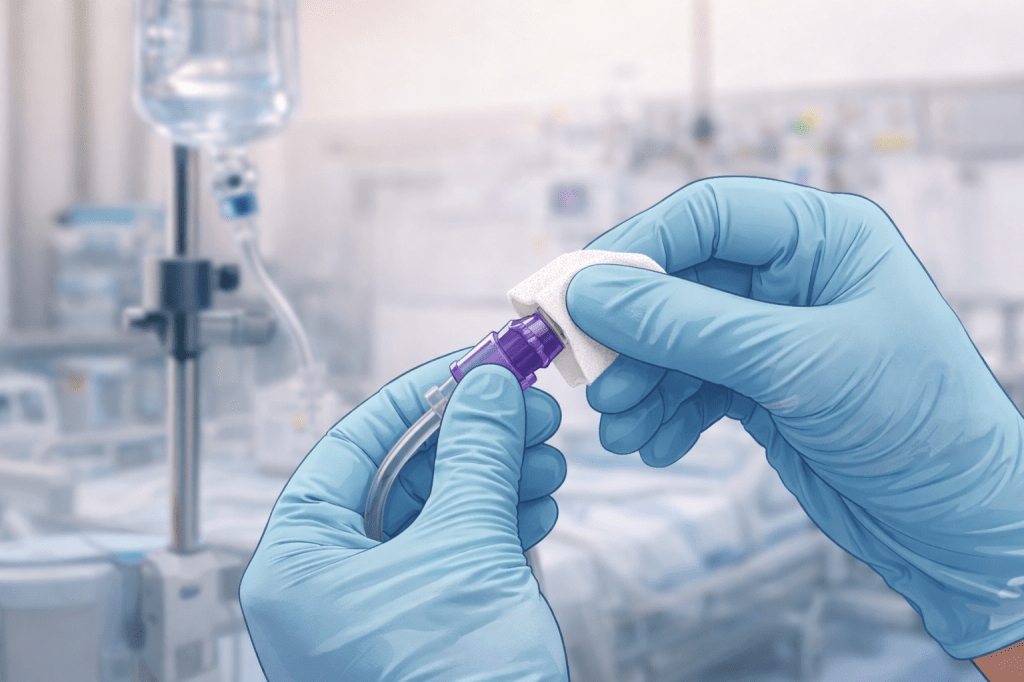
Why Nurses Clean the IV Hub Every Single Time
Scrubbing an IV hub may seem repetitive or unnecessary, especially when it was just used. This post explains why nurses clean IV hubs every single time— and how those small steps play a critical role in preventing serious infections.
-

The Most Dangerous Sentence Nurses Hear: “I’ll Just Get Up Real Quick”
“I’ll just get up real quick” sounds harmless- something most of us say everyday. But in the hospital, that sentence can carry risks patients don’t always see. This post explains why nurses pause when they hear it, and how waiting just a moment can prevent life-changing injuries.
-

Why Nurses Ask the Same Questions Over and Over
Patients often wonder why they’re asked the same questions repeatedly in the hospital. It’s not forgetfulness— it’s vigilance. In this post, we break down how repetition is essential to patient safety and how it helps catch subtle changes before they become big problems.
-

The Pulse You Felt, Not the Number You Saw
We rely on numbers, charts, and assumptions more than we realize. But a documented vital sign is not the same as an assessment performed. The most basic checks are often the ones we skip—and the ones that matter most. This is a reminder that presence is still a clinical skill.
-
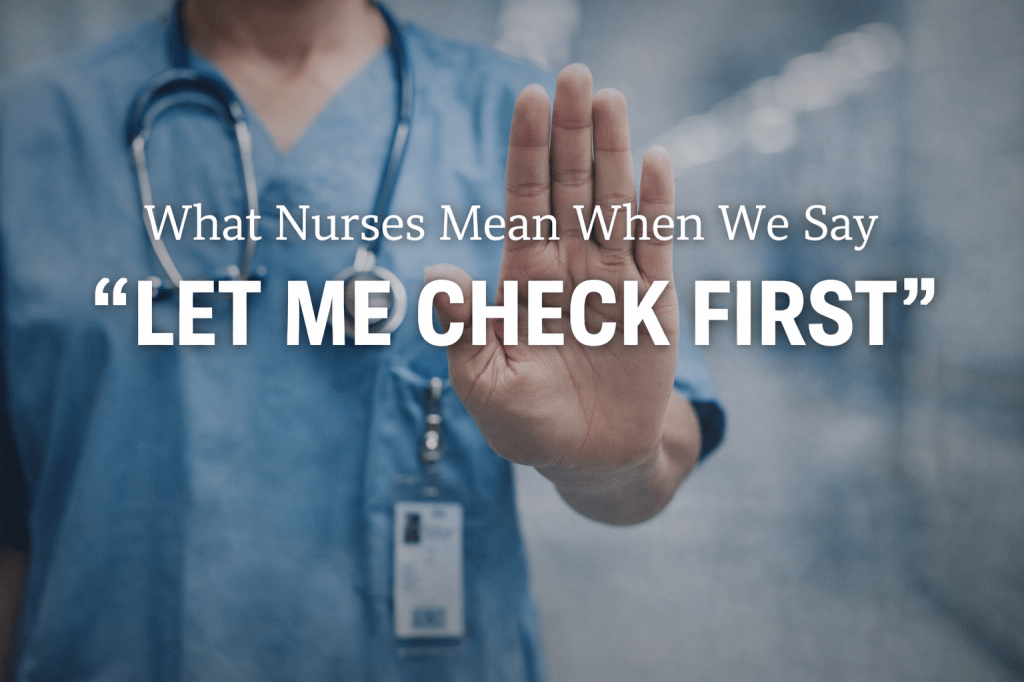
What Nurses Mean When We Say “Let Me Check First”
When a nurse says “Let me check first,” it isn’t hesitation —it’s protection. This post ex plains what that phrase really means, why it matters, and how checking first can prevent harm before it happens.
-
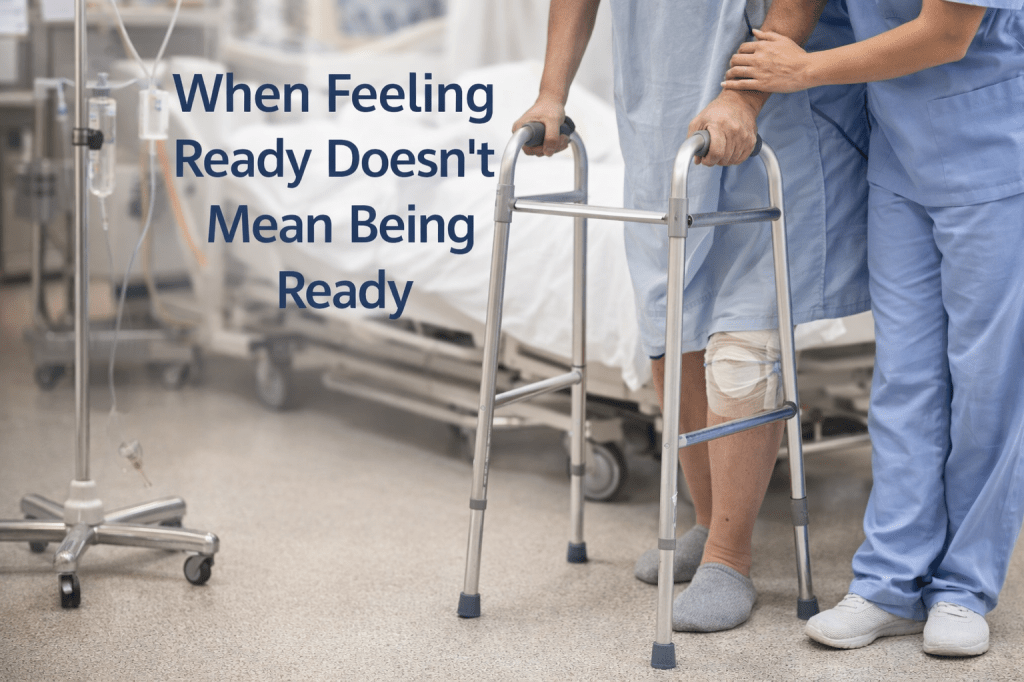
When Feeling Ready Doesn’t Mean Being Ready
After surgery, feeling capable and being physically ready aren’t always the same. This post explores why nurses sometimes say “no,” how safety decisions are made, and why. Independence returns best when the body is— not just motivation— is ready.
-
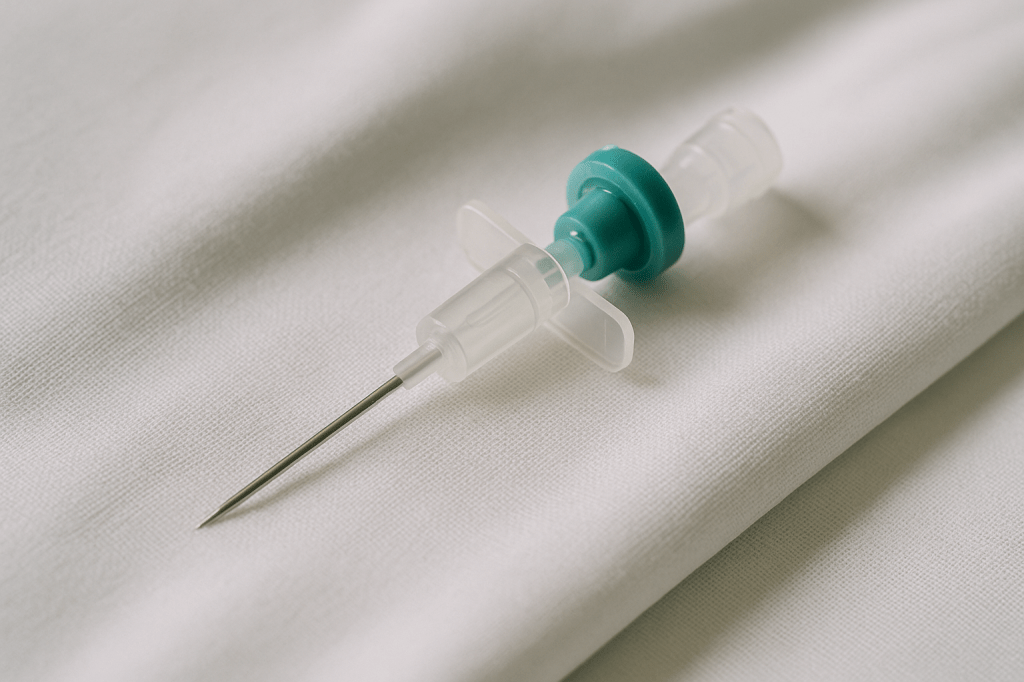
Why You Have an IV — Even When You Feel Fine
An IV isn’t always a sign that something is wrong. Often, it’s a quiet preparation— a way clinicians create time, safety, and space before care is needed
-

What Nurses Notice Before They Read a Chart
Before a nurse touches a chart, the patient has already begun speaking —through posture, breath, silence, and the room itself. These subtle cues guide our care long before any lab result. This post explores the quiet skill of reading what isn’t written.
-

Why I Write What I Write
Sometimes the truth doesn’t speak in full sentences — it lingers in the corner of a room, waiting to be seen. Nursing has taught me that every shift leaves a mark, though not all of them can be seen. Some must be written before they can be understood.

