
Tag: patient-education
-
The Mystery Behind Going Home
“We’ll get you discharged soon.” Simple words—until ten minutes becomes an hour and an hour becomes two. Behind every hospital discharge is a process most patients never see. This post explores the hidden steps, invisible teamwork, and the reason hospital time sometimes feel different from regular time.
-

Why Nurses Don’t Want You Showering Alone After Surgery
After surgery, one of the first things many patients want is a long hot shower and the comfort of feeling normal again. But what many people do not realize is that anesthesia, pain medication, and exhaustion can still affect balance and reaction time long after leaving the hospital. This post explores why nurses often recommend…
-
What Actually Happens After You Press the Call Light
When you press the call light in the hospital, it can sometimes feel like your request disappears into the void. Minutes pass, and it’s easy to wonder if anyone even saw it. But behind that button is a system most patients never see. Here’s what actually happens after you press the call light – and…
-
Why Your Blood Pressure Is High at the Hospital (But Normal at Home)
Your blood pressure was normal at home — so why is it suddenly high at the hospital? Here’s what nurses are actually looking for, what affects readings, and when a high number truly matters.
-
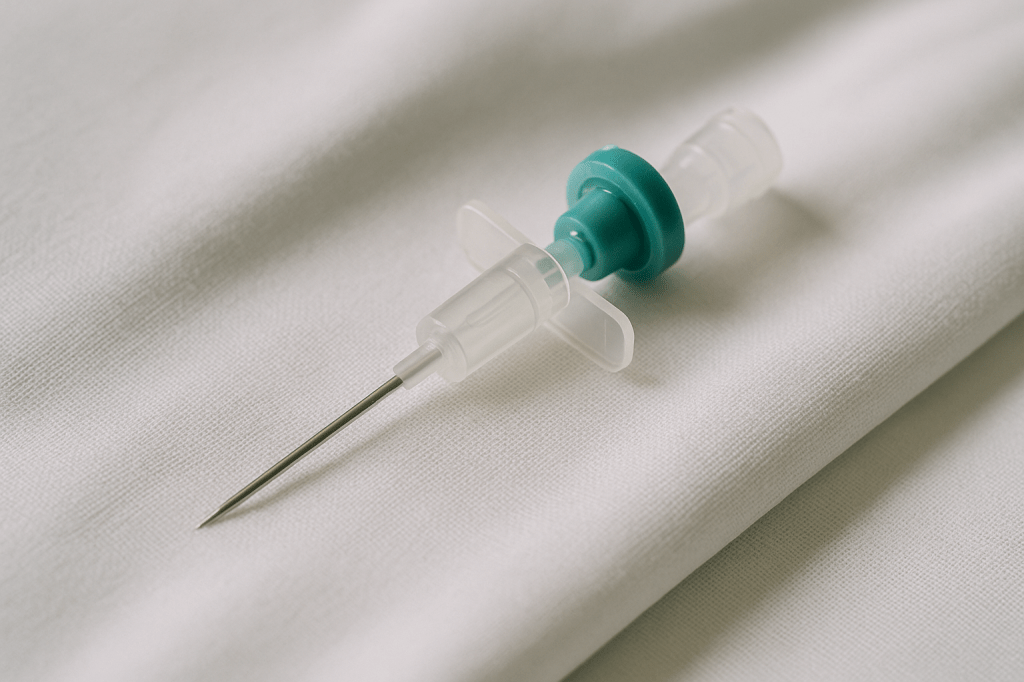
Why You Have an IV — Even When You Feel Fine
An IV isn’t always a sign that something is wrong. Often, it’s a quiet preparation— a way clinicians create time, safety, and space before care is needed
-

What It Means to Be Calm Under Pressure
Calm can look like silence when a loved one is in crisis, but inside, it’s precision. In the loudness of chaos, nurses create the quiet space where clear thinking and real care happen. What looks still on the surface is often the most intentional part of saving a life.
-

Healing Is More Than Physical: The Emotional Side Of Recovery
Healing goes beyond the incision. This post explores how emotions, empathy, and patient connection shape true recovery after surgery.
-

Why Do Nurses Flush IV Lines?
Patients often wonder why nurses flush IV lines before giving medication. The truth is, that clear syringe of saline does more than prepare the line – it protects the patient, prevents complications, and even carries medical-legal significance.
-
Why Does it Feel Like Something’s in My Eye?
During surgery, even a small detail like eye protection can make all the difference. This post explains how corneal abrasions happen, why they’re preventable, and how attentive nursing care – and proper documentation – protect both patients and providers.
-
From Bedside to Blog: Explaining Post-Surgery Sore Throat
Wondering why your throat hurts after surgery? It’s a common side effect of the breathing tube. Here’s a clear explanation from a nurse’s perspective of what it means for recovery- simple, honest, and reassuring.

